

小学部2024-05-18 10:01:45
Grade 4 Exploration | Little Wind Chasers小小追风者
Earth is a very hospitable planet that accommodates life and makes it abundant. This is evident through the plenty of resources it provides. One natural renewable energy resource literally had blown the minds of our 4th graders as they ventured through its tremendous power-the power of wind. To holistically approach this topic, the teachers and students took learning to a whole new level by conducting a series of three experiments testing three aspects of wind. Apparently, they were not only taking the teachers’ word for it in the classroom-they are finding out for themselves!
地球是一个非常适合生存的行星,它能为生命提供丰富的资源以使其生生不息。这一点从地球提供的大量资源中可见一斑。四年级的学生们在探究风的巨大威力时,对这种自然可再生能源产生了浓厚的兴趣。为了从整体上探讨这一课题,老师和学生们进行了三个不同的实验,来测试风的三个方面,将学习推向了一个全新的高度。显然,他们不仅仅是在课堂上听老师讲,而是通过亲自实践来探索发现!
Experiment No. 1: Wind Flow
实验一:风的流动
To examine the wind flow through something visible, students created paper airplanes. Students tested the paper airplanes’ flight in different parts of the school and recorded their results. This was aimed at discovering how different wind flow, in different environments, would affect the flight of an object. Students observed the experiment and made notes of their findings, measuring variables such as flight path and distance travelled.
为了便于观察风的流动,我们借助可见实物进行实验——纸飞机。学生们在校园内的不同区域测试并记录了纸飞机的飞行轨迹。通过实验,学生们发现在不同环境中,风的流动是如何影响物体飞行的。学生们通过实验,测量了纸飞机飞行路径和飞行距离等变量,并记录实验结果。
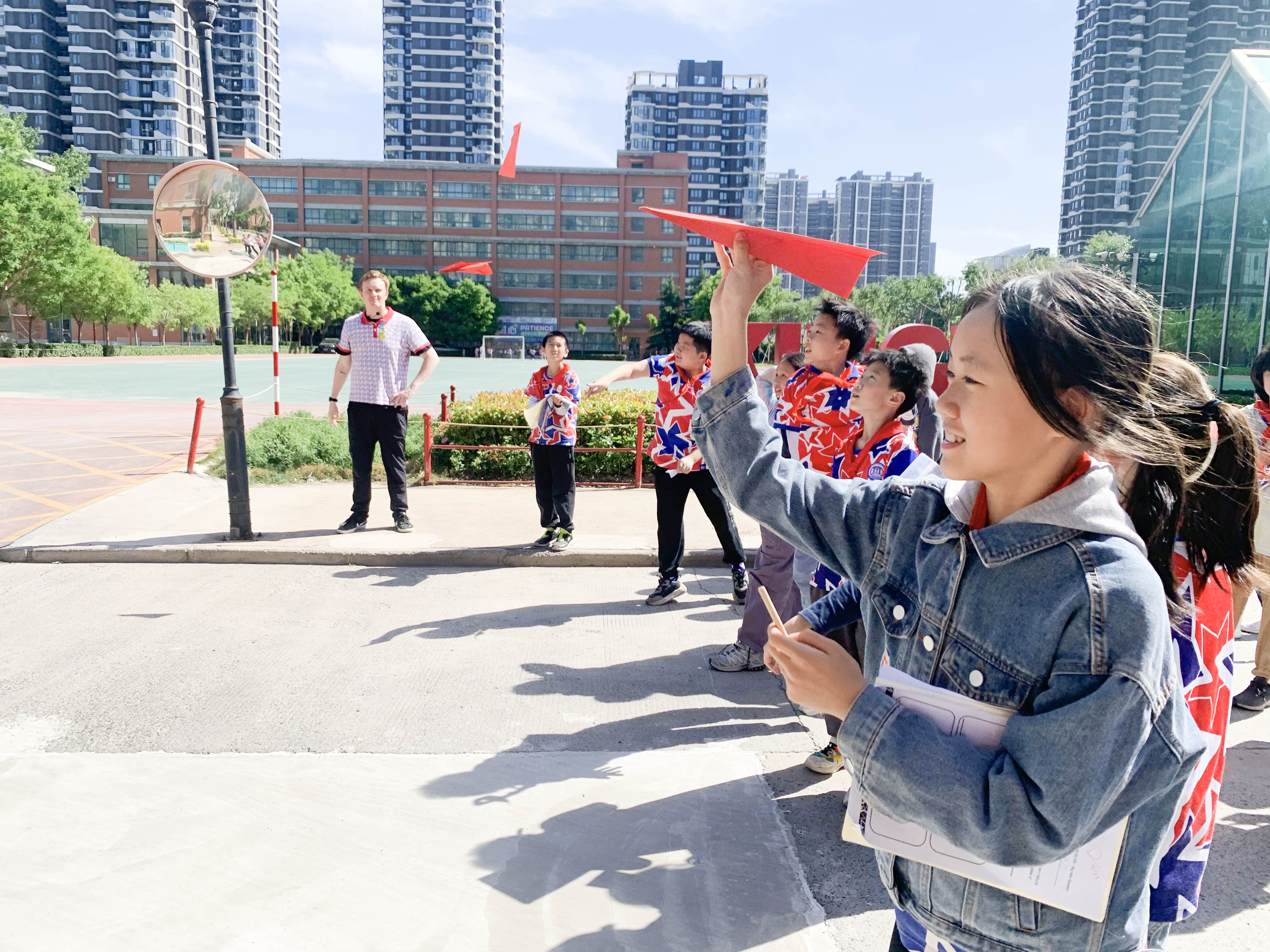
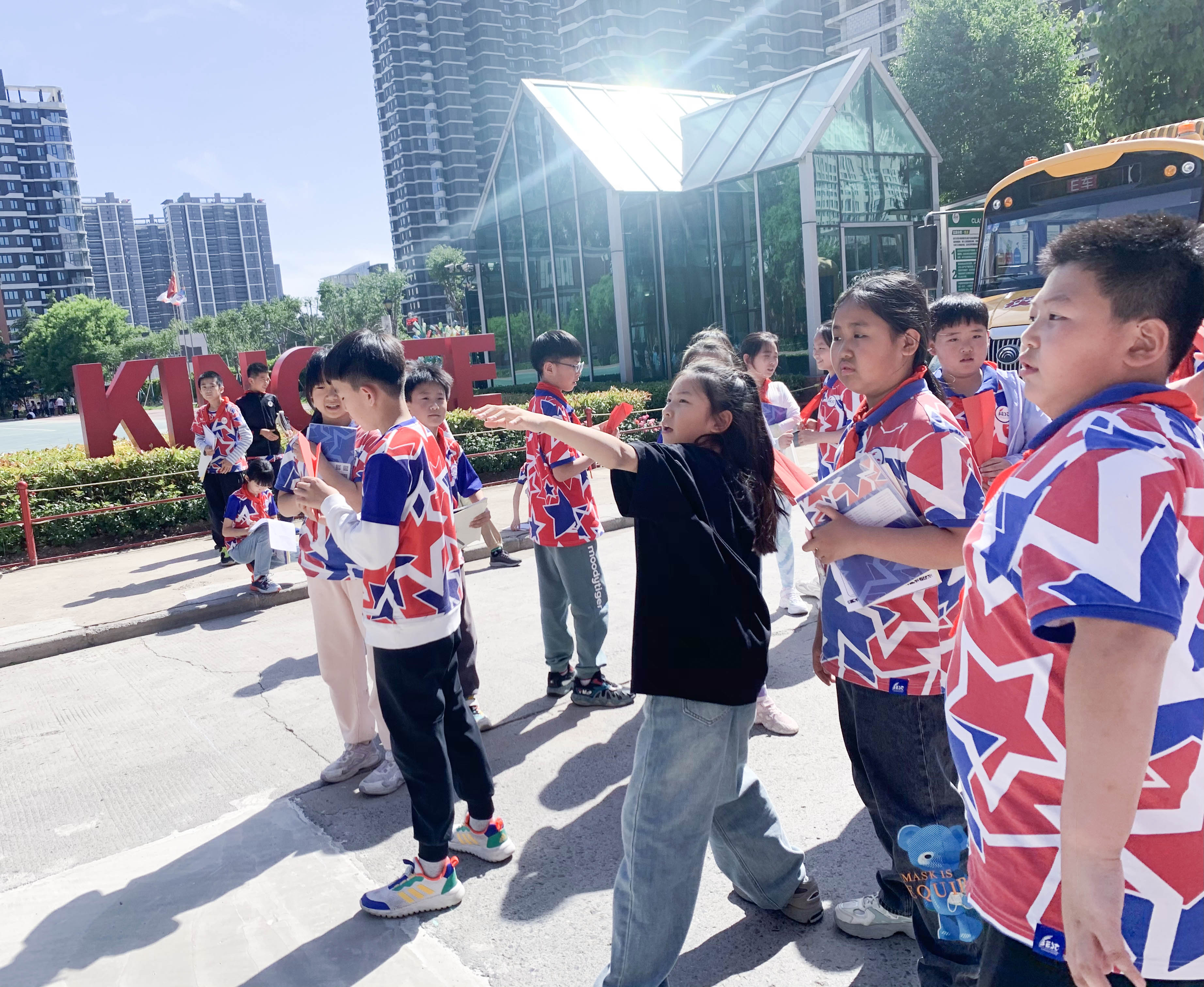 借助纸飞机测量风的流动
Real-Life Implication: Knowing the wind flow is linked to predicting how air pollutants move from one location to another. By knowing this, we can stay safe and healthy and even contribute into raising people’s awareness on environment protection.
对现实生活的影响:了解风向与预测空气污染物如何从一个地点移动到另一个地点息息相关。通过了解这些知识,我们可以保持安全和健康,甚至有助于提高人们的环保意识。
Experiment No. 2: Wind Speed
实验2:风的速度
For this classic experiment, students created model windmills using a pencil and origami paper. The aim of this experiment was to measure how wind speed affected how fast of how slow the windmill’s movements are. This was related to the real-life example of a wind turbine, which we have studied as an important renewable energy source, and one way in which we can generate electricity.
在这个经典实验中,学生们使用铅笔和折纸制作了风车模型。这个实验的目的是测量风速对风车运动快慢的影响。风车模型与现实生活中的风力涡轮机有关,我们在课上已经学习过风力涡轮机的原理, 这是一种重要的可再生能源,同时它也是发电的一种方式。
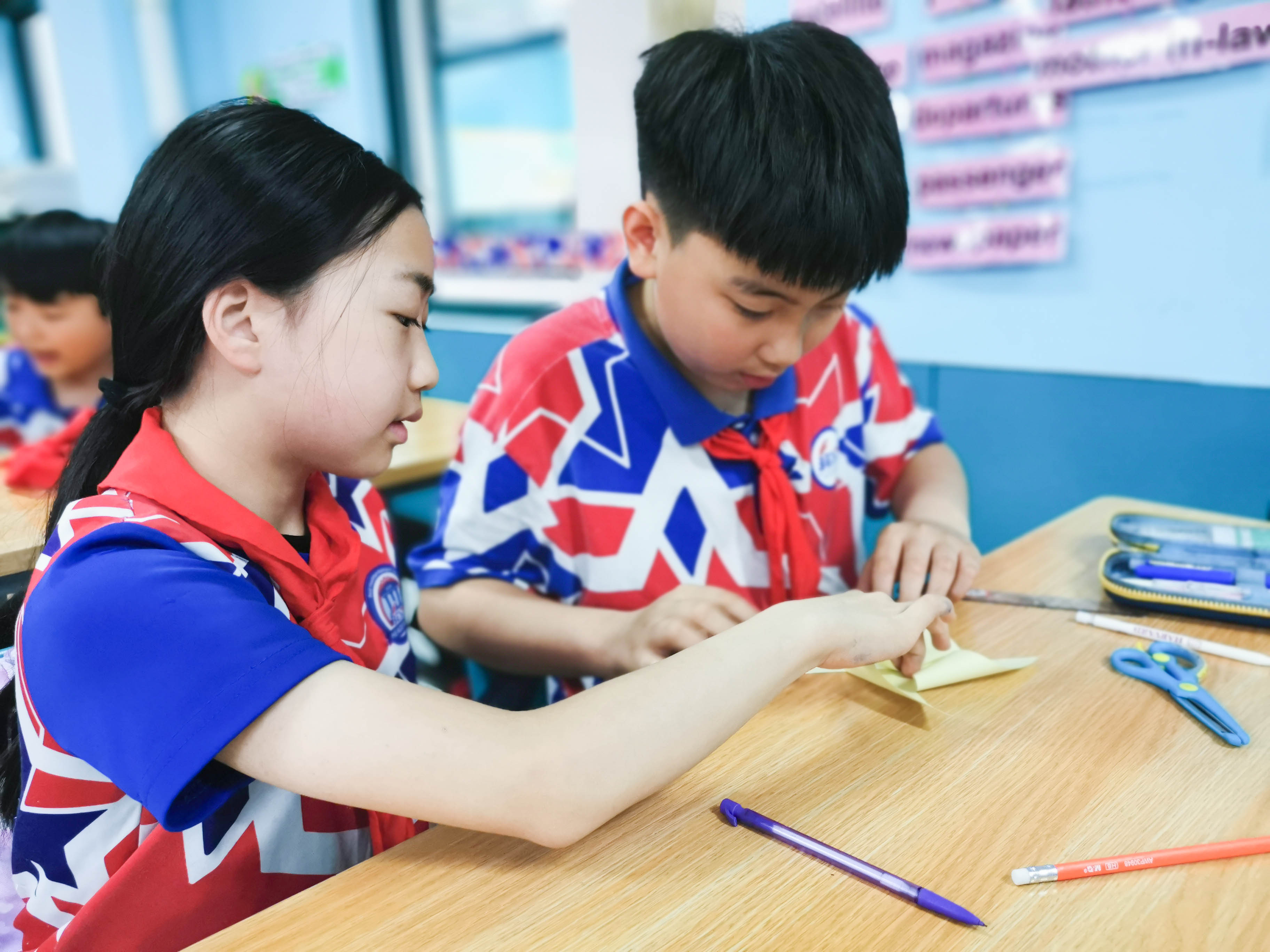
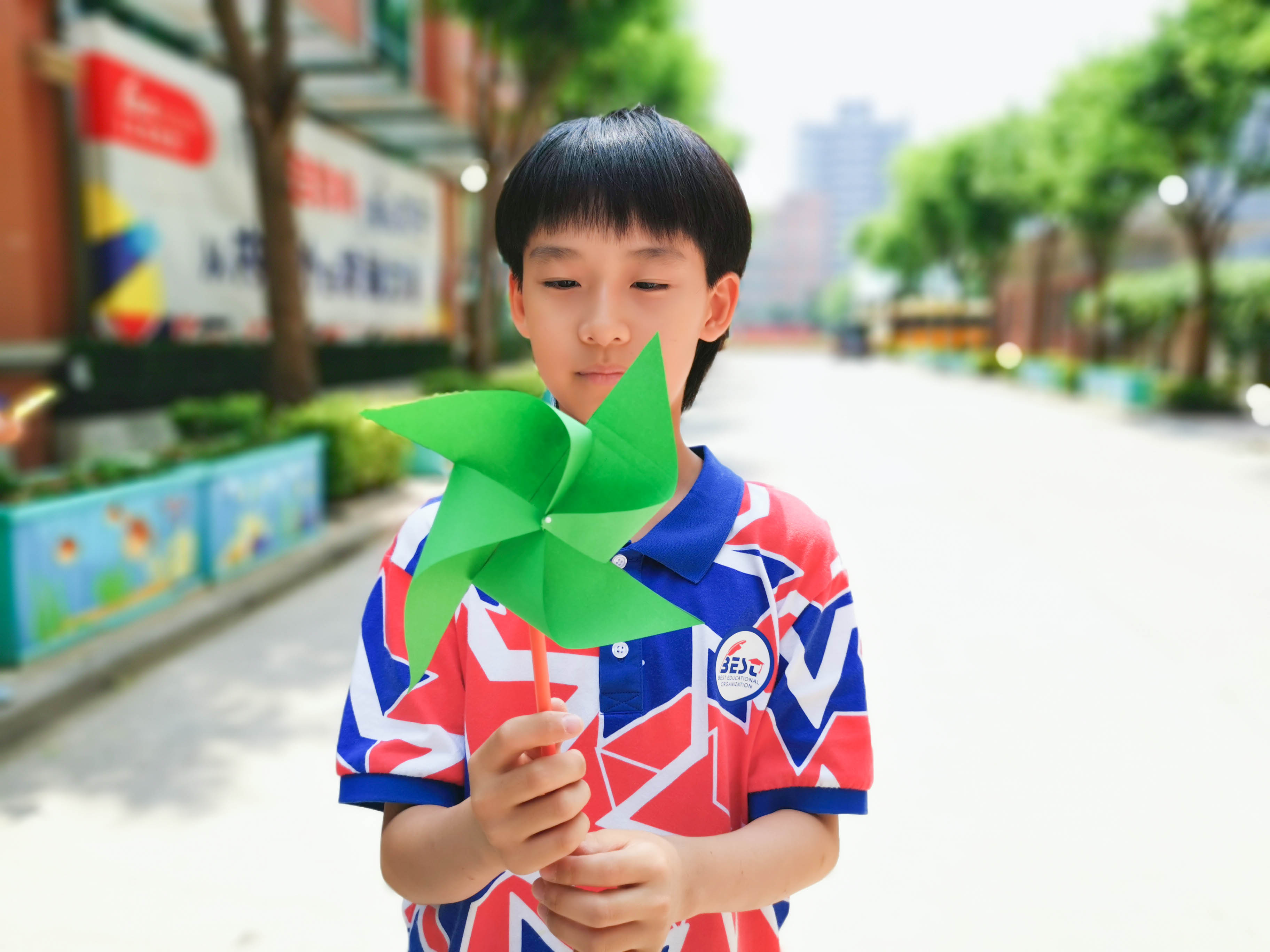
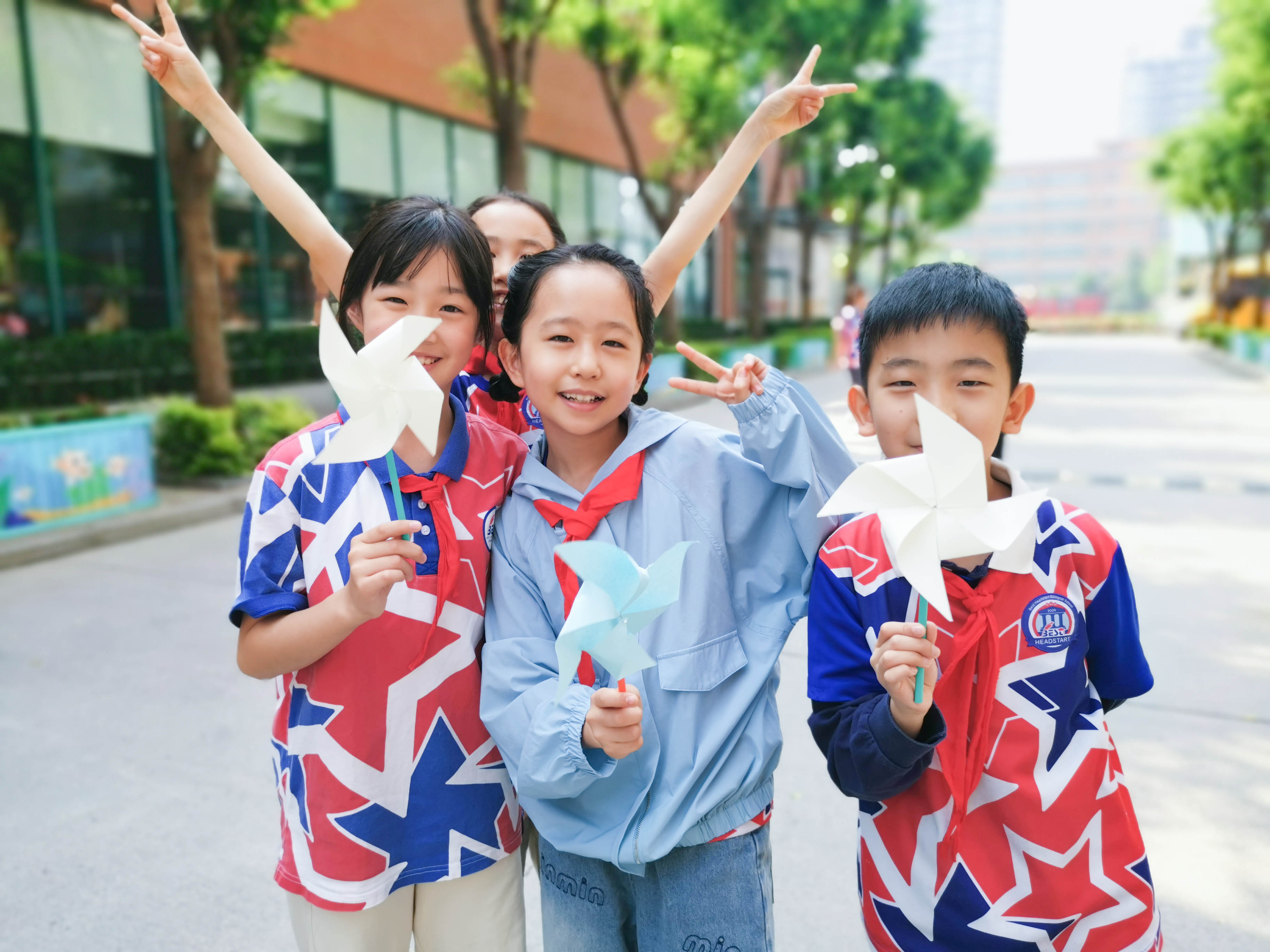
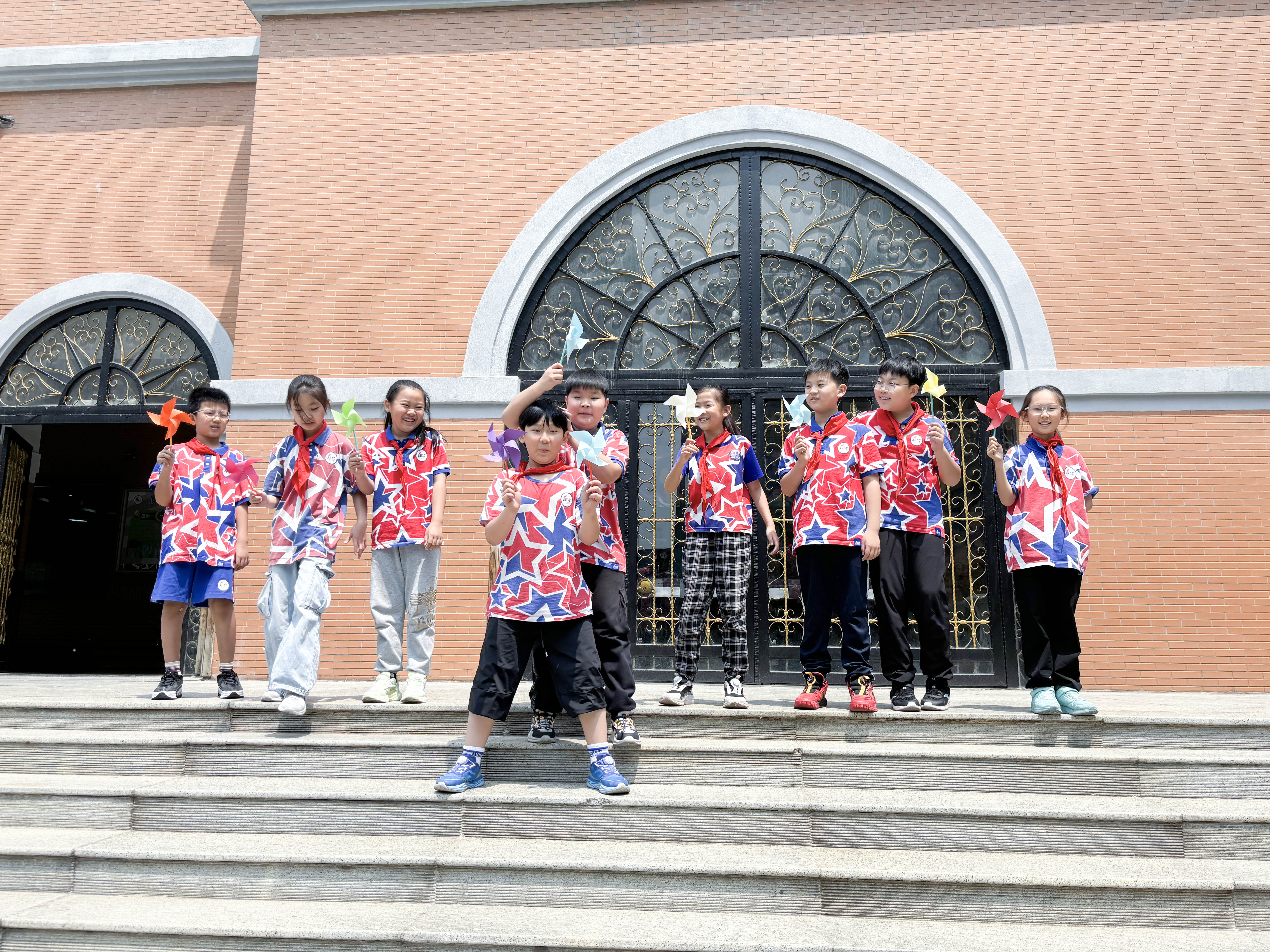 借助风车测量风速
Real-Life Implication: Knowing the wind speed gives people a powerful edge on weather forecasting. Through this knowledge, people can stay away from harm and find refuge in case of disasters.
对现实生活的影响:了解风速可以为人们在天气预报领域提供重要的优势。通过这些知识,人们可以及时躲避危险,并在灾害发生时寻找安全避难所。
Experiment No. 3: Wind Direction
实验3:风的方向
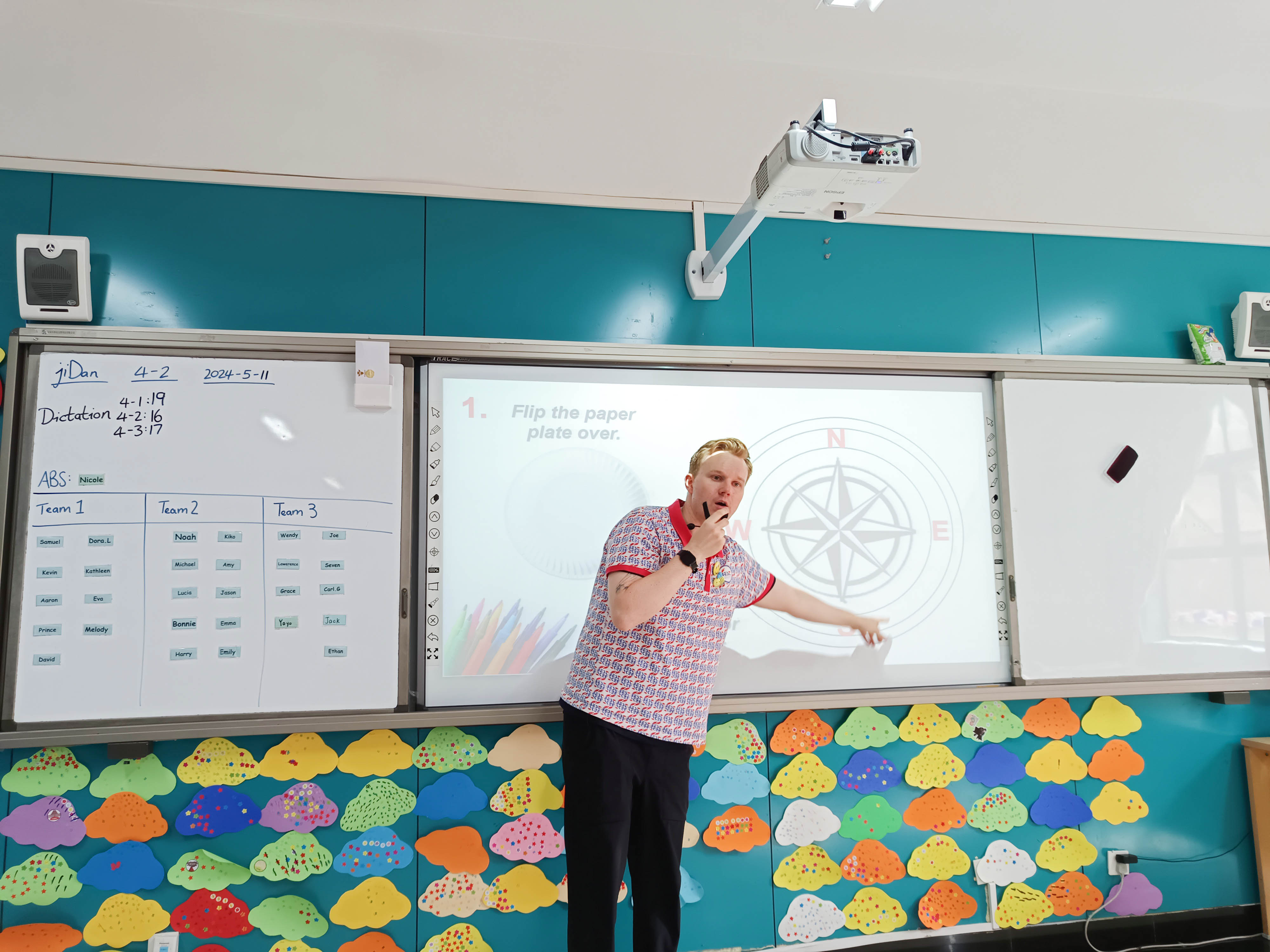
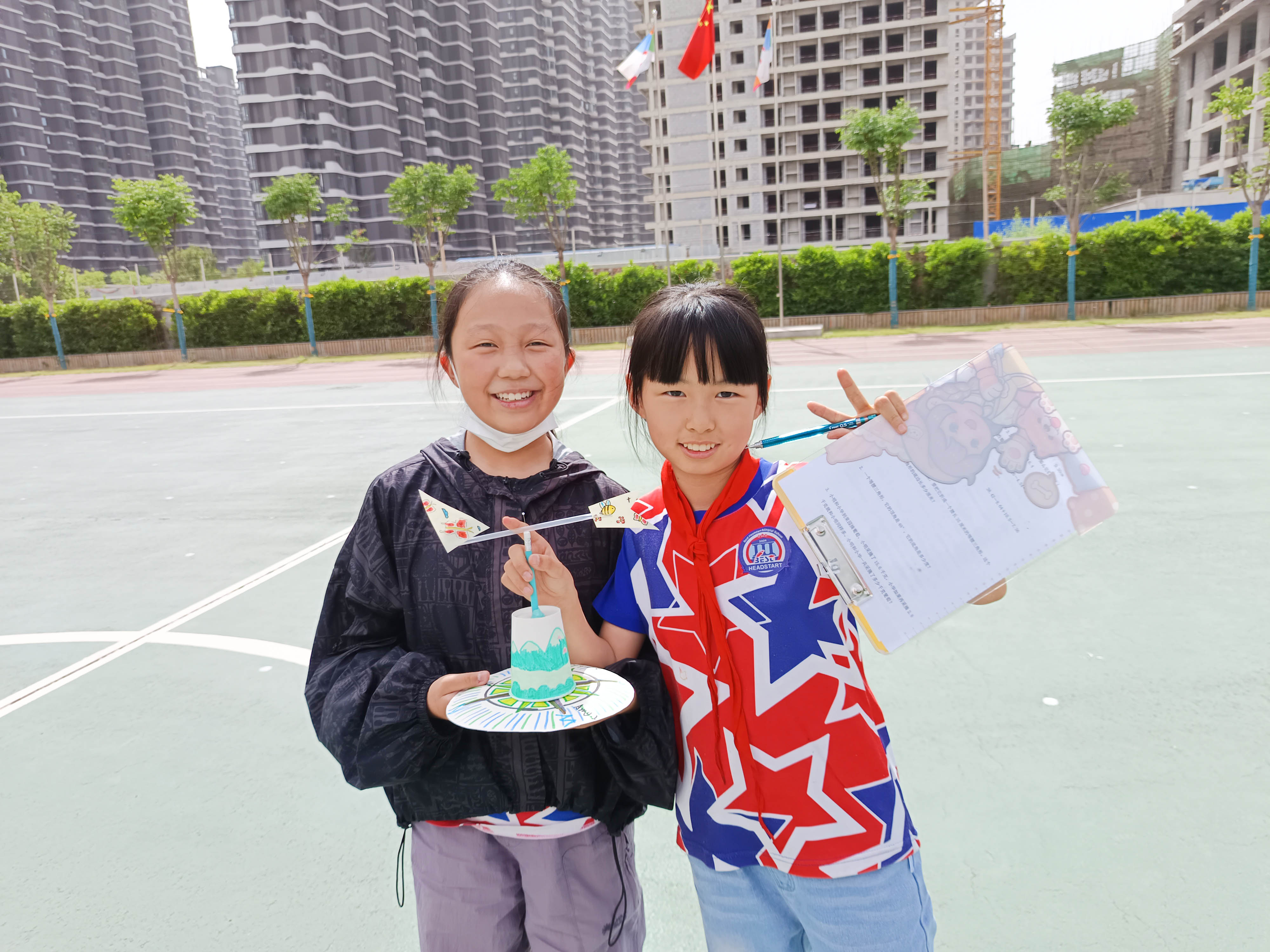
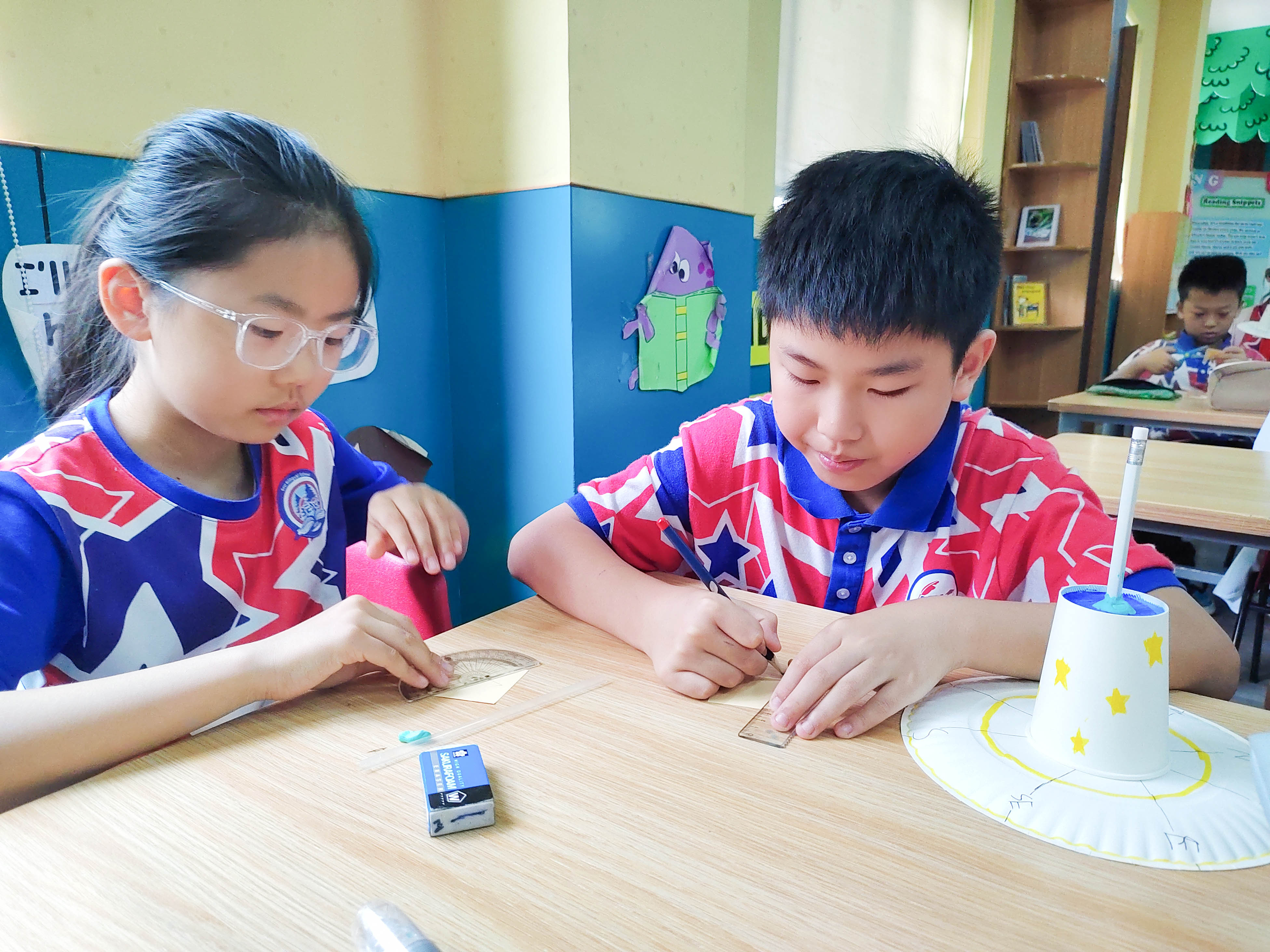
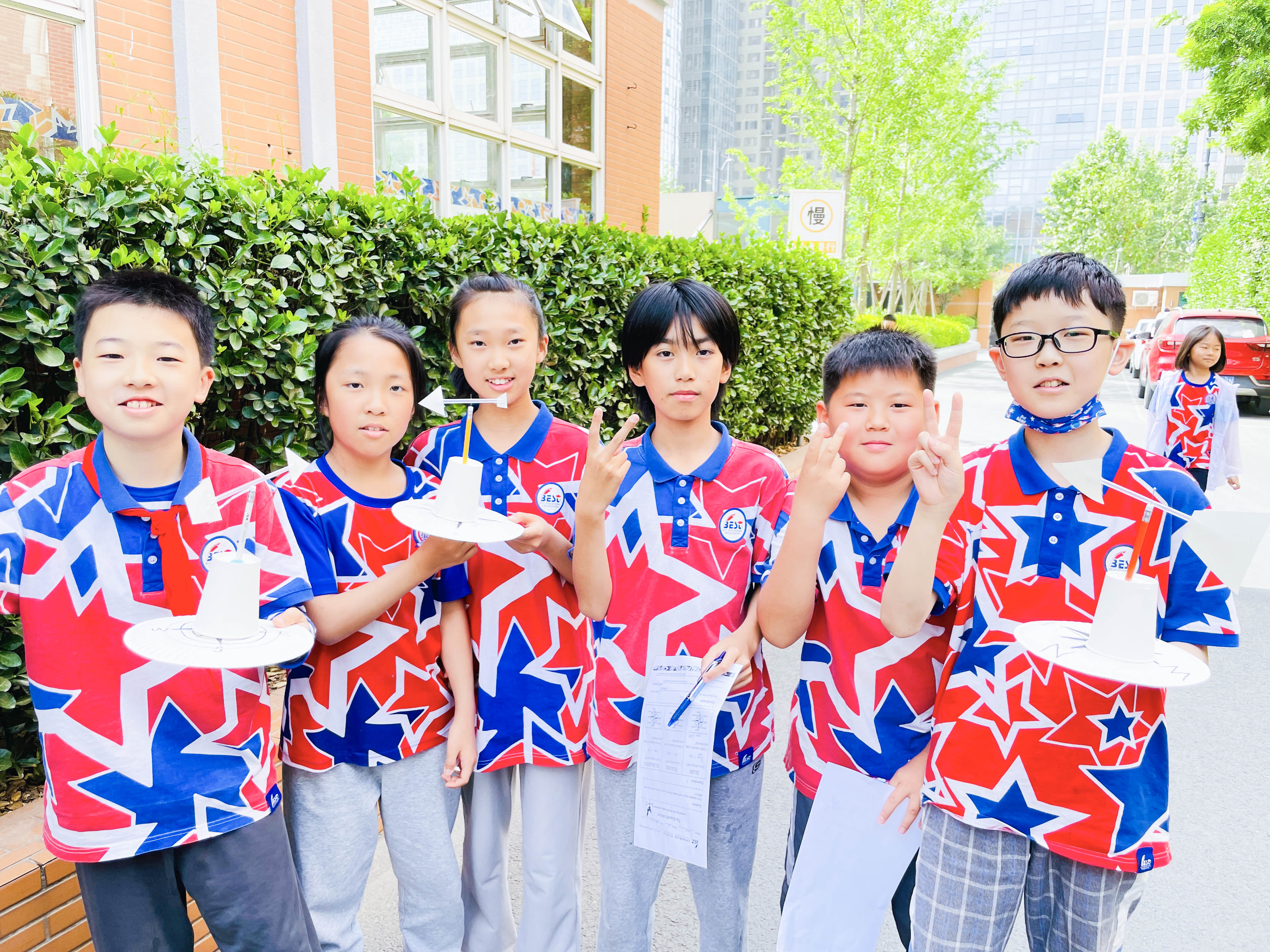
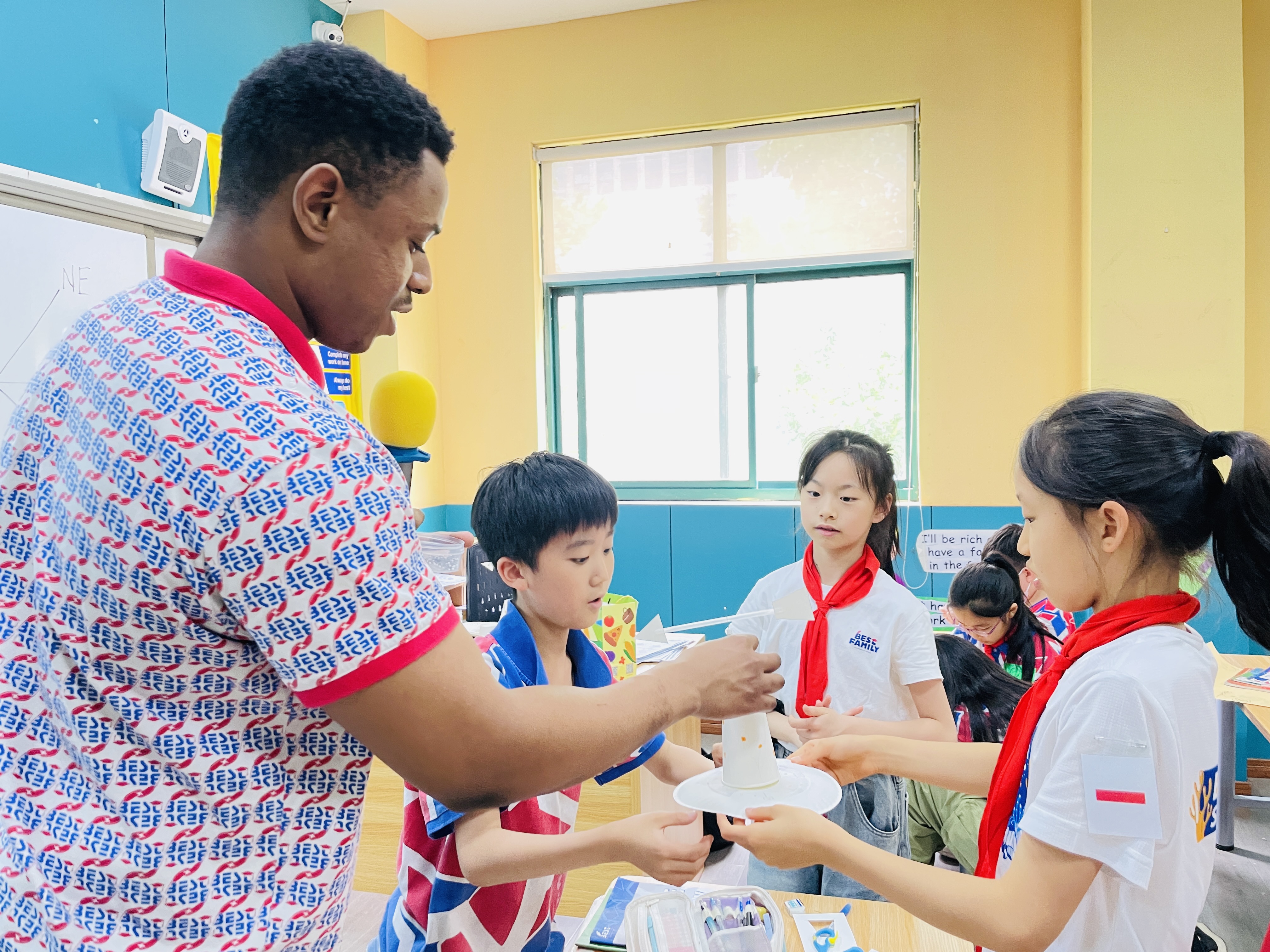
Finally, our journey of exploring wind power culminated in this last experiment in which students created wind vanes. This experiment aimed to measure wind direction. Students used paper plates, paper cups and a straw to create their very own wind vane. They equipped their wind vane with a compass rose. The students are already familiar with the cardinal directions, having studied them last semester. They then took this wind vane outdoors, to measure the direction of the wind and recorded their results scientifically.
最后,我们的风能探索之旅在学生制作风向标的最后一个实验中达到了高潮。这个实验的目的是测量风向。学生们用纸盘、纸杯和吸管制作了自己的风向标。学生们运用上学期学过的有关基本方位的知识,给风向标配上了罗盘。随后,他们将风向标带到户外,测量风向,并以科学的方式记录测量结果。
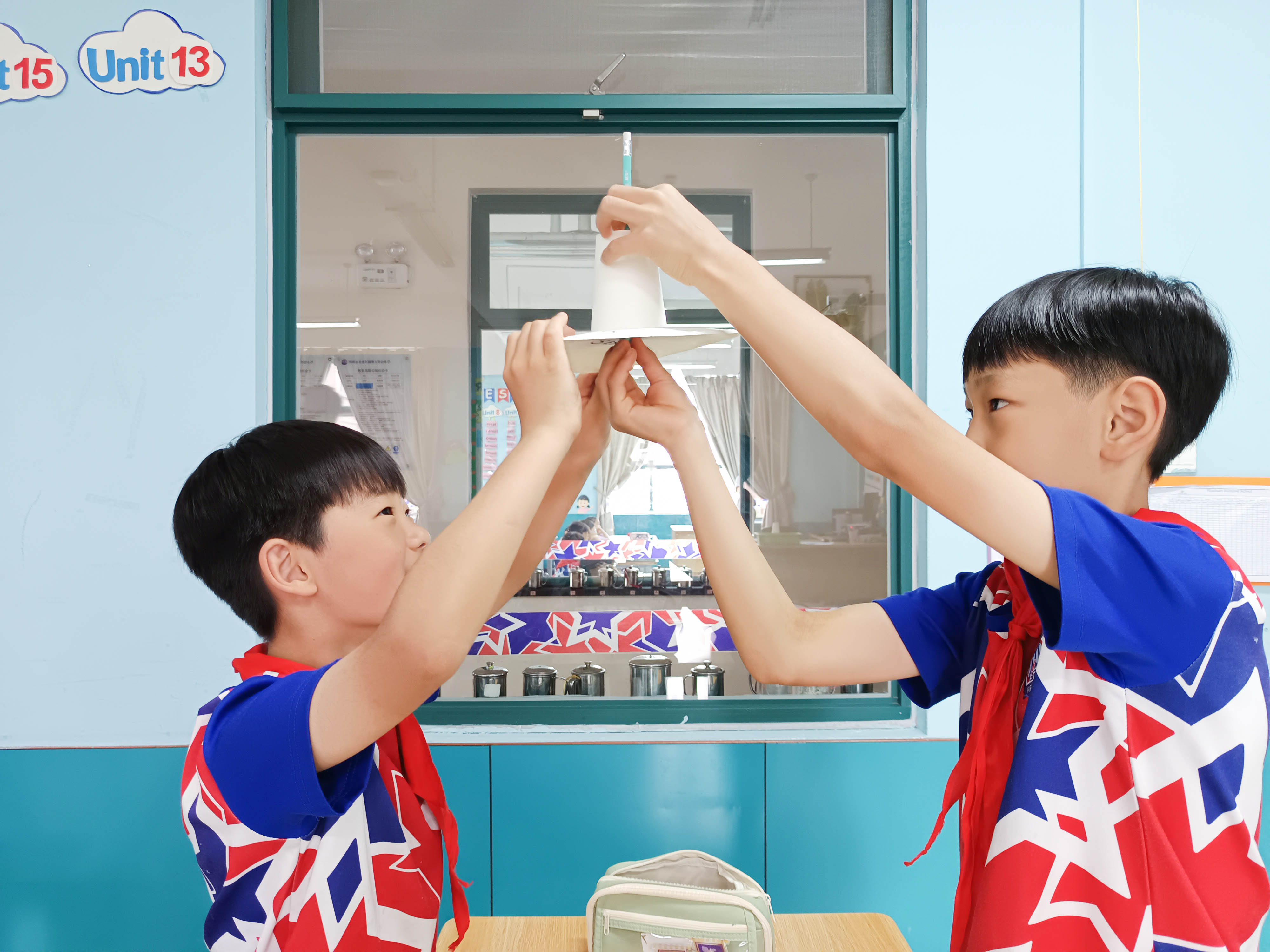
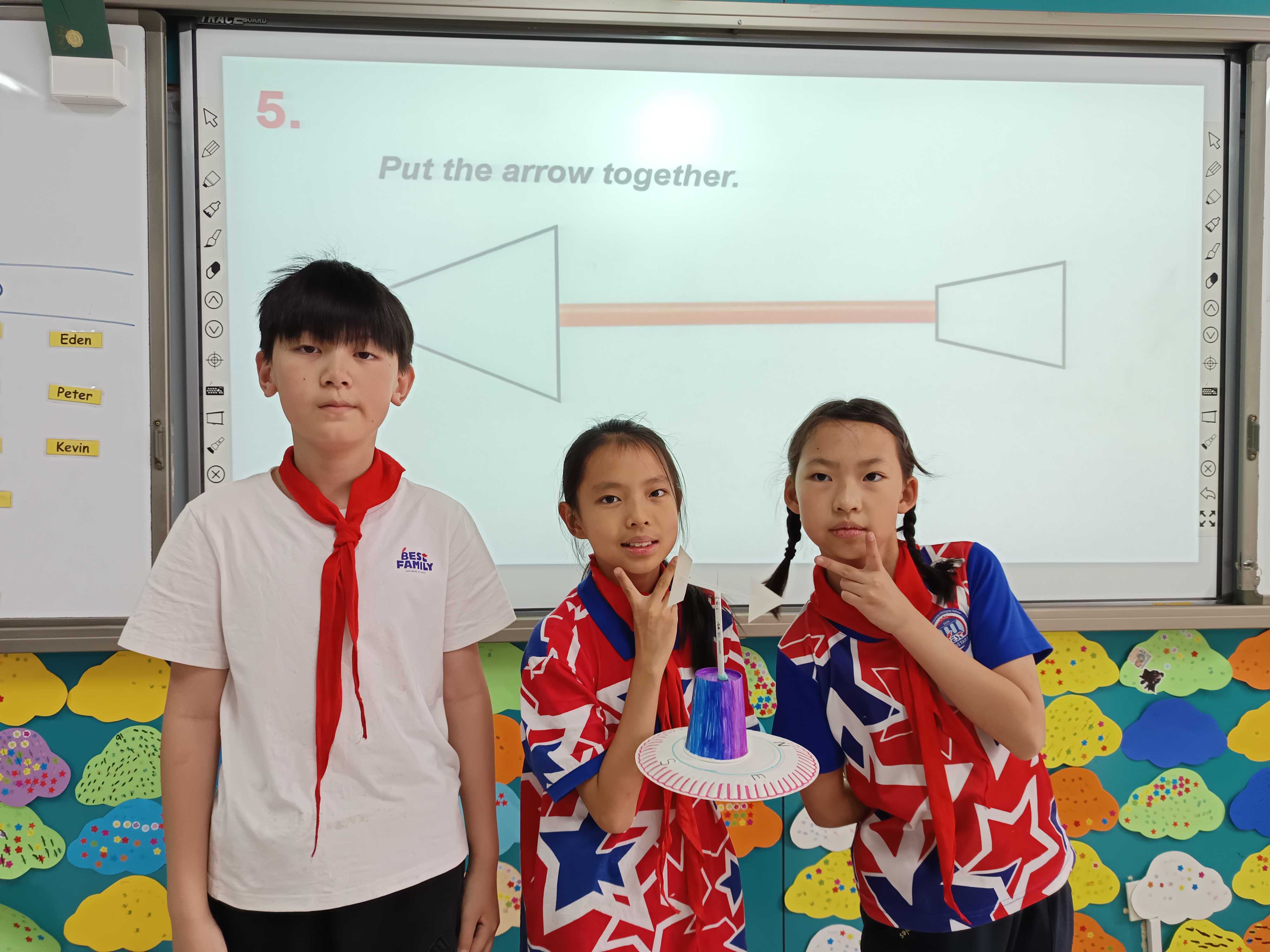
Real-Life Implication: Understanding the wind direction helps people direct the air inside a house or a building. This also helps professionals in marine and aerial navigation!
对现实生活的影响:了解风向有助于人们调节室内空气流动。这也有助于专业人员进行海上和空中导航!
Overall, students had a lot of fun learning about wind and its importance in our world. They had the opportunity to create their own crafts, gained experience recording scientific results and were able to connect all these activities to their in-class content. This is a good example of holistic learning, where students can learn about something before testing it out for themselves, using their creativity to aid their learning and improve their independence and critical thinking skills.
总之,学生们在学习风及其在我们世界中的重要性的过程中获得了很多乐趣。通过不同面向的实验他们有机会制作自己的手工艺品,获得了记录科学成果的经验,并能将所有这些活动与课堂内容联系起来。这是全面学习的一个很好的例子,学生可以先了解一些知识,然后再亲自试验,利用他们的创造力来帮助学习,提高他们的独立性和批判性思维能力。
招生电话(Tel.): 0371-66822772
地址(Add.): 郑州市建业路16号/ No.16 Jianye Rd. Zhengzhou
Copyright@郑州贝斯特教育事业机构 版权所有 豫ICP备16034609号-2
-
关注我们
FOLLOW US
-
机构官方
BEO
-

幼儿部
PRESCHOOL
-

小学部
ELEMENTARY
-

中学部
SECONDARY
-

校友会
ALUMNI ASSOCIATION